

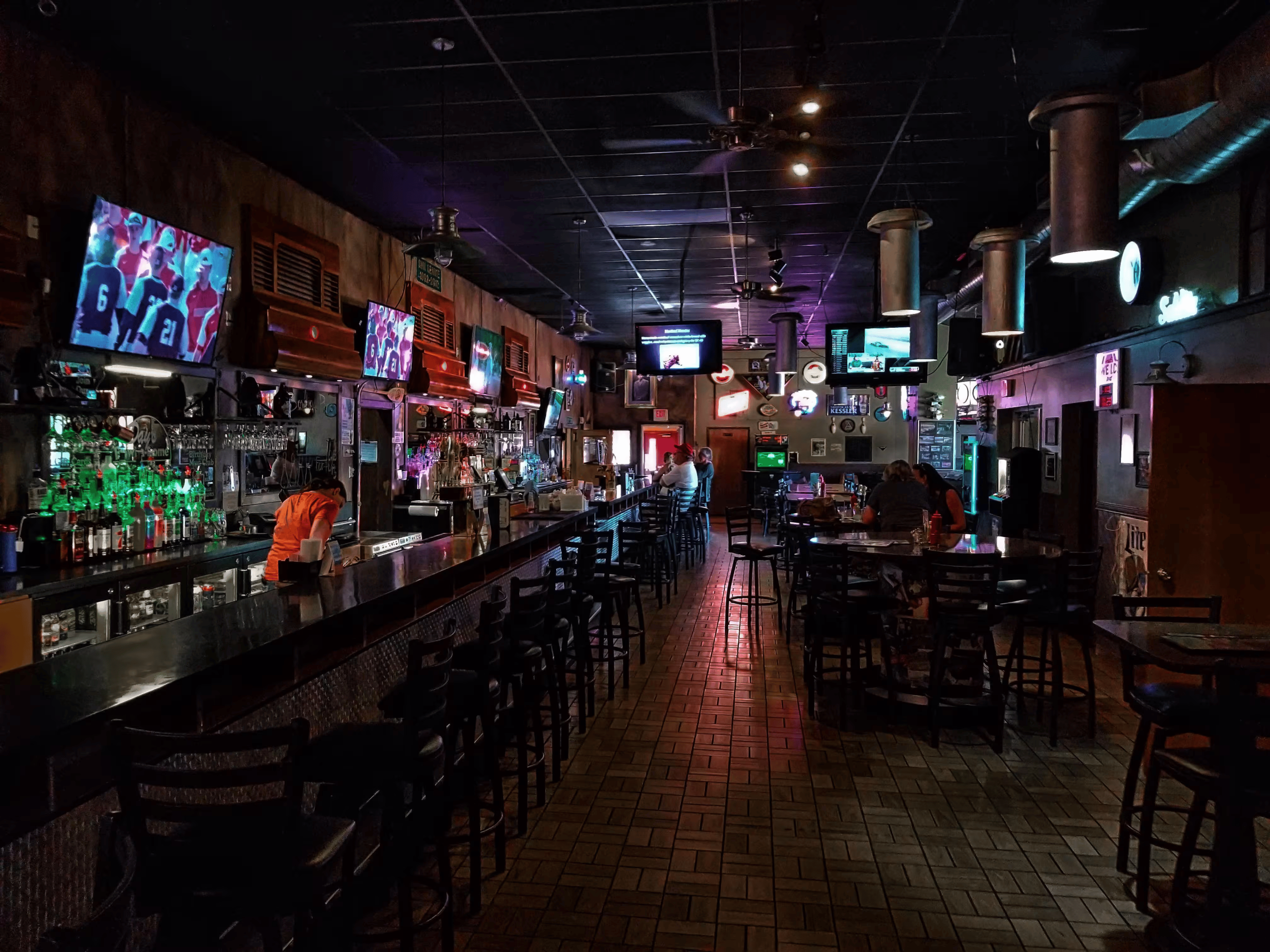
Choosing a sports bar involves more than finding a screen and ordering a drink. A good venue keeps the match visible, serves food without disrupting conversation, and gives groups enough room to settle in. It also manages sound, service, and seating so attention stays on the action. These details separate a memorable game night from an ordinary visit. The following checks explain what discerning patrons should look for before booking a table.
For Melbourne groups, venue choice often depends on viewing quality and ordering convenience. The best Melbourne sports pubs combine clear sightlines with food suited to sharing, dependable service, and seating that supports conversation. Those details matter during a close contest, because guests should follow every decisive moment without leaving friends or waiting too long for another round.
Viewing Quality Comes First
A large screen means little if tables sit at awkward angles or other guests block the view. Good sports bars place screens around the room, giving groups a clear line of sight from different seats.
Brightness and sound matter as well. The picture should stay sharp during fast movement, while commentary should remain audible without overpowering conversation. A venue that manages both details creates a better experience for dedicated supporters and casual guests.
The sports bar page lists big screens and viewing angles suited to group visits. That information gives visitors a practical starting point when comparing venues for a major match or a casual game-night gathering.
Food Should Suit The Match
Game-day food needs to arrive promptly, travel well across a table, and remain easy to eat while attention stays on the screen. Shared plates suit groups because guests can order together without interrupting the match.
Chicken wings, loaded nachos, onion rings, and chips suit this setting because they require little table prep. A balanced menu should also include options for guests who prefer a lighter snack or a more substantial meal.
Food quality still matters in a busy sports bar. Fresh portions, sensible serving sizes, and prompt delivery prevent the table from becoming a distraction. Good venues make ordering straightforward before the opening whistle.
Drinks Need Reliable Service
A drinks menu should suit different preferences without complicating ordering. Beer, spirits, and cocktails give groups room to choose their usual drinks within the same social setting.
Service speed matters most during half-time and tense moments. Staff should take orders clearly, deliver drinks safely, and manage refills without blocking the screen or interrupting conversation. Reliable timing helps the group stay focused on the match.
Rotating drink specials can add value to regular game nights, as long as the terms stay clear. Guests should know what applies, when it applies, and whether the offer suits the event they plan to watch.
Atmosphere Must Support The Game
A sports bar needs energy, but constant noise makes commentary difficult to hear and conversation harder to follow. The best atmosphere comes from shared reactions that rise and fall with the contest.
Sound levels should suit the room, while seating should give groups enough space to eat and talk. Private lounges suit celebrations or larger gatherings, while open seating works well for smaller groups and casual visits.
The sports bar page describes an atmosphere built around big-screen viewing, shared food, drinks, and private lounges. Those details show why layout matters as much as the menu and broadcast quality.
Planning Improves The Visit
Popular fixtures create demand for the best seats, so early planning gives groups more control over the evening. Booking ahead also helps guests choose a suitable arrival time and avoid rushed decisions.
Arriving before the match allows time to settle, order food, and check the viewing position. Groups should also consider transport, match length, and whether they want a quiet table or a livelier section.
A venue’s booking process should clearly explain seating and group arrangements. Visitors who know what to expect can focus on the event instead of solving practical problems after arrival.
Conclusion
A good sports bar combines clear screen coverage, suitable food, steady drink service, and an atmosphere that supports shared viewing. Each detail affects the experience, particularly during crowded fixtures or long game nights. Visitors should compare seating, menu choices, service information, and booking arrangements before choosing a venue. For a group planning its next match outing, checking those practical points first provides a simple way to choose a better table and enjoy the game.